
Wat Yai Chaimongkon
Wat Yai Chaimongkon
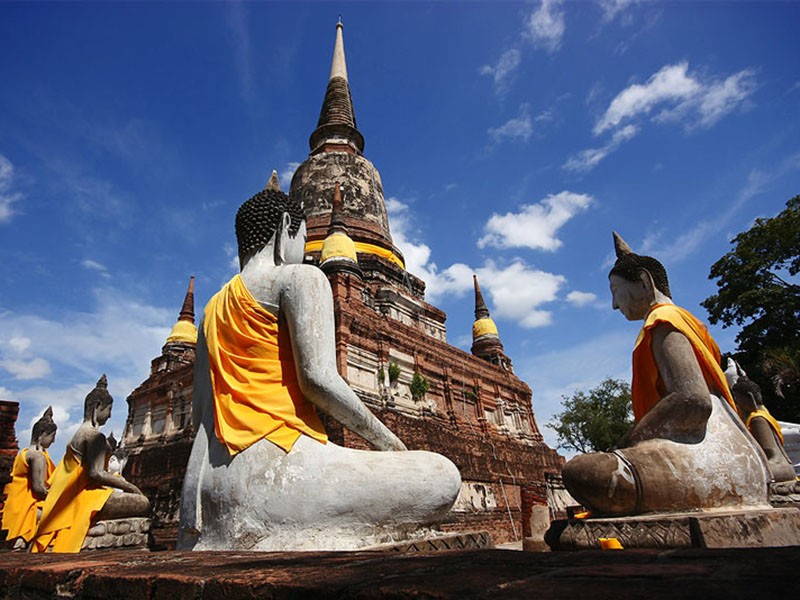
The monastery was constructed by King U-Thong to accommodate the monks that were ordained by Phra Wanratana Mahathera Burean. This monastery was named "Wat Pakaew".
Afterwards, Phra Wanratana of Wat Pa Kaew suggested to King Naresuan the Great to build a Chedi (pagoda). He decided to construct a large Chedi in this monastery. This monastery became known as Wat Yai Chiamongkhon .
Ayutthaya Historical Park
Ayutthaya Historical Park
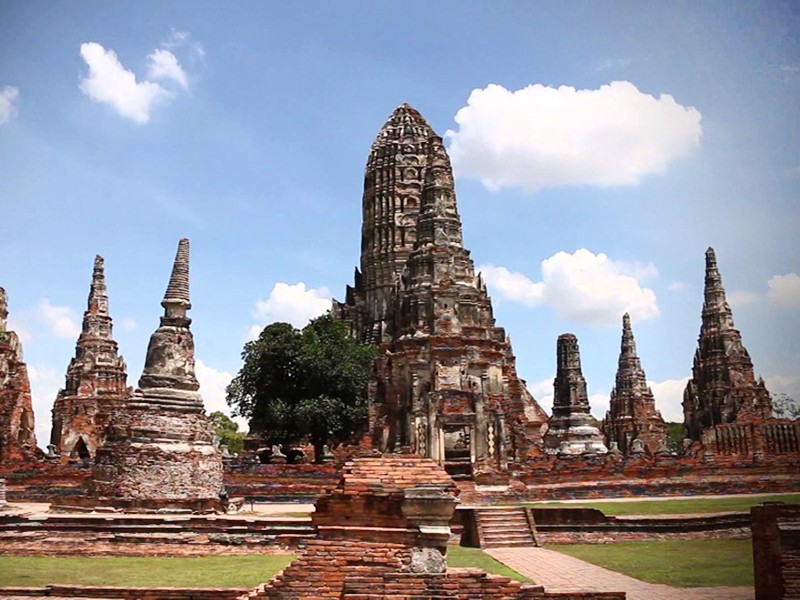
Ayutthaya Historical Park covers the ruins of the old city of Ayutthaya, Thailand. The city of Ayutthaya was founded by King Ramathibodi I in 1351. The city was captured by the Burmese in 1569. Though not pillaged, it lost "many valuable and artistic objects." It was the capital of the country until its destruction by the Burmese Army in 1767.
In 1969 the Fine Arts Department began renovations of the ruins, which became more serious after it was declared a historical park in 1976. A part of the park was declared a UNESCO World Heritage Site in 1991. Thirty-five kings ruled the Ayutthaya kingdom during its existence. King Narai (1656-1688) held court not only in Ayutthaya but also from his palace in the nearby city of Lopburi, from where he ruled for eight to nine months of the year.
Chao Sam Phraya National Museum
Chao Sam Phraya National Museum
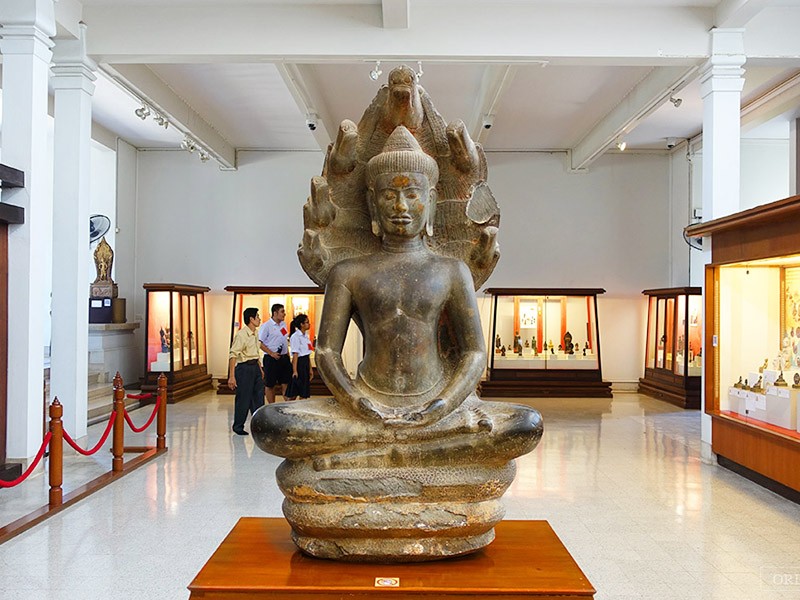
Chao Sam Phraya National Museum First opened its doors in 1961, Chao Sam Phraya National Museum was built to collect and display antiques, Buddha images and precious items found in the underground crypts of the prang (pagoda) tower of Wat Ratchaburana. The museum was named after the king who ordered the construction of Wat Ratchaburana, King Borommarachathirat II or Chao Sam Phraya. At its opening it was the first museum in Thailand that displays items in the western, modern style. Exhibitions are displayed in three buildings, featuring artifacts in different time periods from archaeological excavations around Thailand.
Wat Phanan Choeng
Wat Phanan Choeng
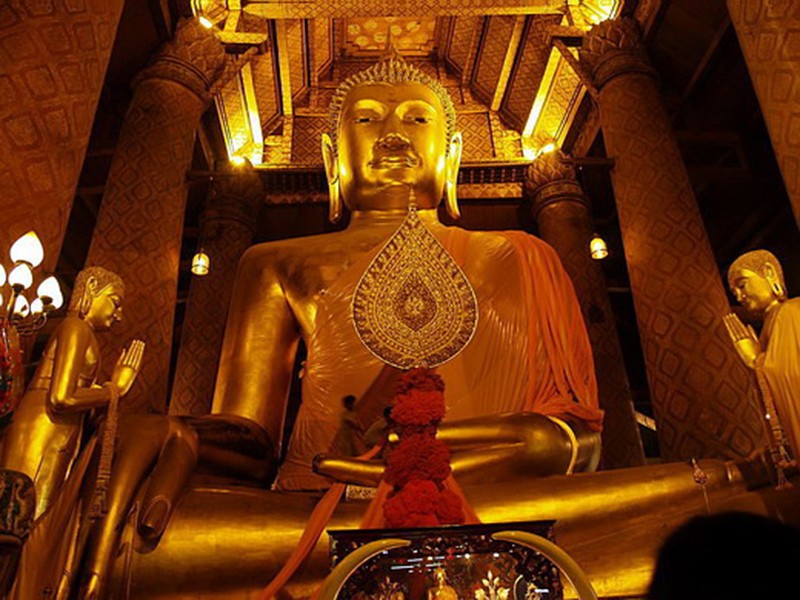
Wat Phanan Choeng Wat Phanan Choeng is a Buddhist temple in the city of Ayutthaya, Thailand, on the east bank of the Chao Phraya River at the south-eastern side of the confluence of the Chao Phraya and Pa Sak rivers.
Bang Pa-In Palace
Bang Pa-In Palace
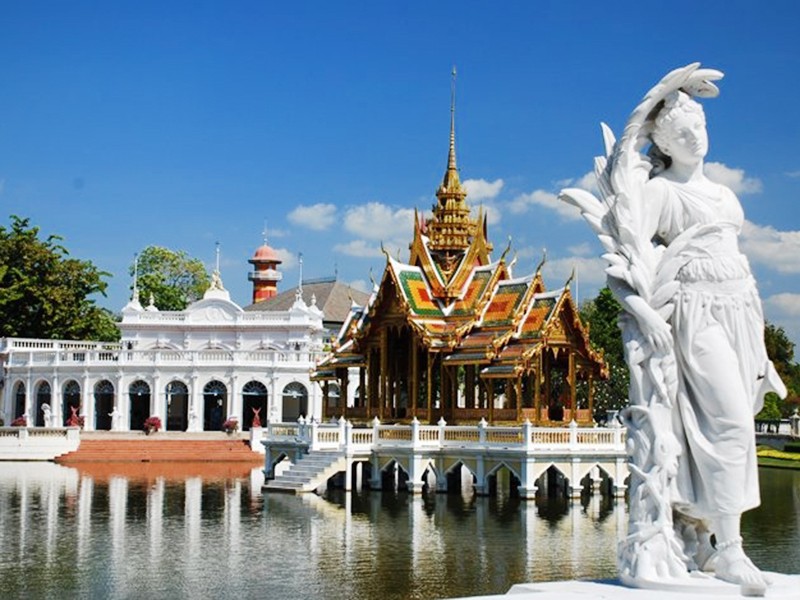
Bang Pa-In Royal Palace also known as the Summer Palace, is a palace complex formerly used by the Thai kings. It lies beside the Chao Phraya River in Bang Pa-In district, Ayutthaya Province.
King Prasat Thong constructed the original complex in 1632, but it fell into disuse and became overgrown in the late 18th and early 19th centuries, until King Mongkut began to restore the site in the mid-19th century. Most of the present buildings were constructed between 1872 and 1889 by King Chulalongkorn.
Amidst vast gardens and landscaping stand the following buildings: Wehart Chamrunt (Heavenly Light), a Chinese-style royal palace and throne room; the Warophat Phiman (Excellent and Shining Heavenly Abode), a royal residence; Ho Withun Thasana (Sages' Lookout), a brightly painted lookout tower; and the Aisawan Thiphya-Art (Divine Seat of Personal Freedom), a pavilion constructed in the middle of a pond.
The palace remains largely open to visitors, as King Bhumibol Adulyadej and his family use it only rarely for banquets and special occasions.
Wat Chaiwatthanaram
Wat Chaiwatthanaram
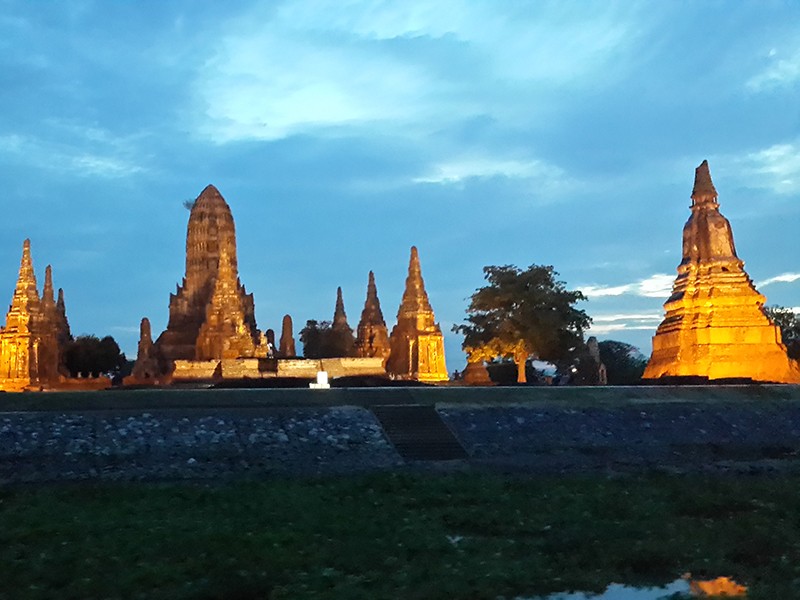
Wat Chaiwatthanaram is a Buddhist temple in the city of Ayutthaya Historical Park, Thailand, on the west bank of the Chao Phraya River, outside Ayutthaya Island. It is one of Ayutthaya's best known temples and a major tourist attraction.